Lab capacity
In-house or outsourced dental CAD: how should a lab choose?
Your lab does not need to send every case through the same route. Separate everyday workload, demand spikes and cases needing detailed collaboration before choosing where design happens.
The short answer
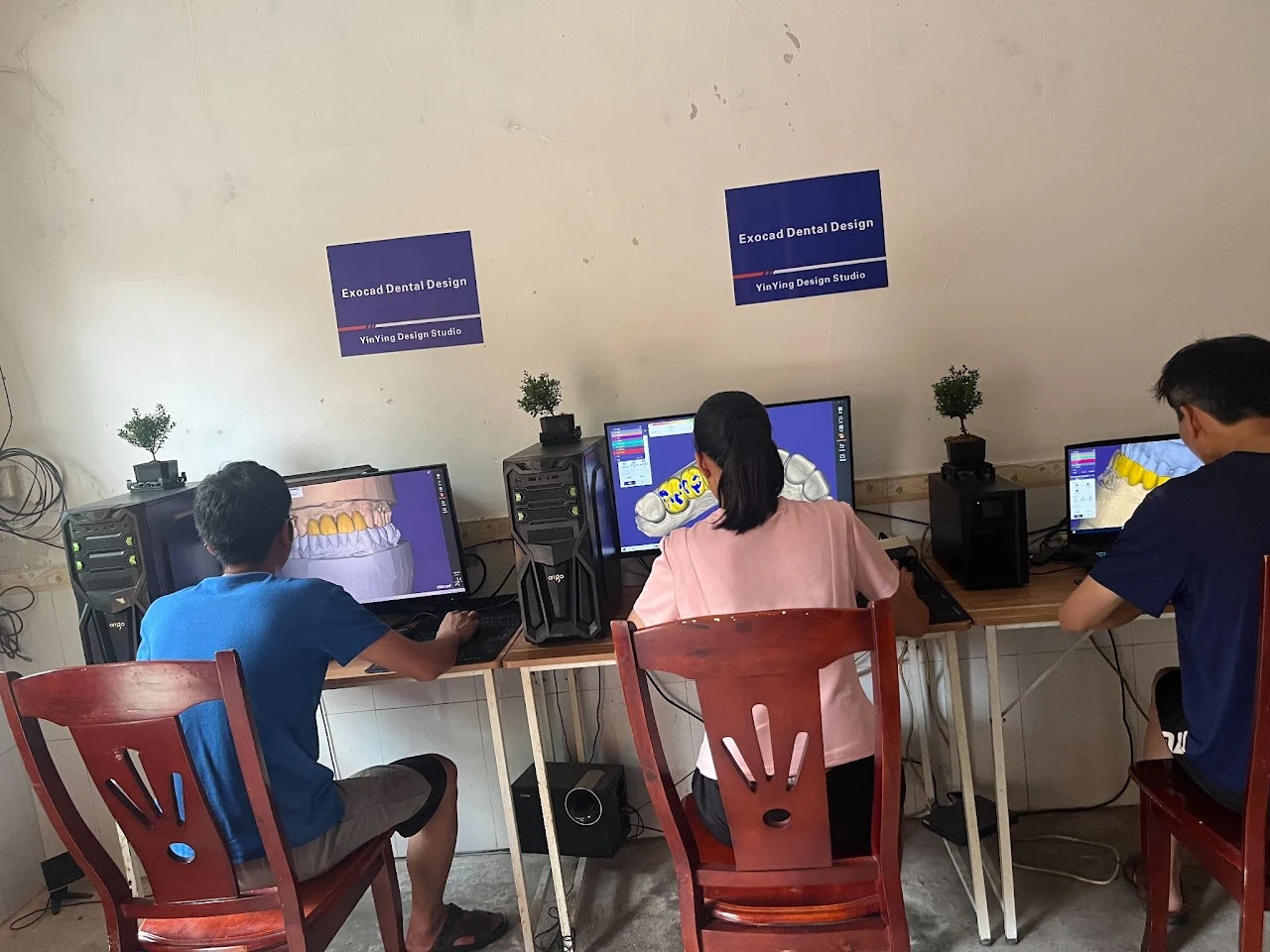
Keep the workflow that gives your lab reliable accepted designs at a sensible total cost. In-house staff offer immediate coordination; outsourcing can add flexible design capacity; automated tools may suit supported routine work. A hybrid workflow lets your team route cases by complexity, available capacity and review needs.
Where does each design route fit?
Capacity is only one part of the decision. Compare how each route handles your actual case mix, software and review process. Product availability and supported indications for automated services should be checked with the software provider.
- Keep a clear internal owner for every outsourced or automated case.
- Select cases by input quality and review needs rather than price alone.
- Define who takes over when a case needs further discussion.
| Route | Useful when | Check before committing |
|---|---|---|
| In-house | Frequent changes and close team coordination matter | Staff availability, software and review capacity |
| Outsourced designer | Your lab needs overflow or a defined specialist workflow | File compatibility, communication and accepted outputs |
| Automated service | The case fits the product’s supported scope | Current indications, review controls and escalation route |
How can outsourcing cover overflow or staff absence?
Prepare backup capacity before a busy period. A named contact and a shared lab preference sheet are more useful than a rush message with unfamiliar files. Agree which cases can move across and which remain with your internal team.
- Record working hours, time zones and the escalation contact.
- Share your preferences for contacts, anatomy, review views and file naming.
- Confirm receipt and completeness before agreeing the delivery target.
What should a first-case trial measure?
Choose a representative case with a complete brief and realistic review time. Use the same scorecard for each candidate provider. A trial is a workflow check; judge what your lab receives and can use.
- Check that delivered files open in the agreed environment.
- Review the design against your written preferences and record corrections.
- Measure clarification effort, response quality and delivery against the agreed target.
Frequently asked questions
Can a small lab outsource only during busy periods?
Yes, discuss overflow or backup support as a defined workload. Confirm capacity and turnaround for the actual period rather than assuming a permanent reservation.
Is human outsourcing always better than AI dental design?
The useful choice depends on the product’s supported cases and your lab’s review requirements. Compare representative accepted designs and the work needed to get there.
What belongs in a lab preference sheet?
Include case types, material workflow, design preferences, output formats, naming rules, review contact and how revisions are approved. Keep case-specific changes in each brief.